Tie Dye: The Journey from Mama to Mommy to Mom
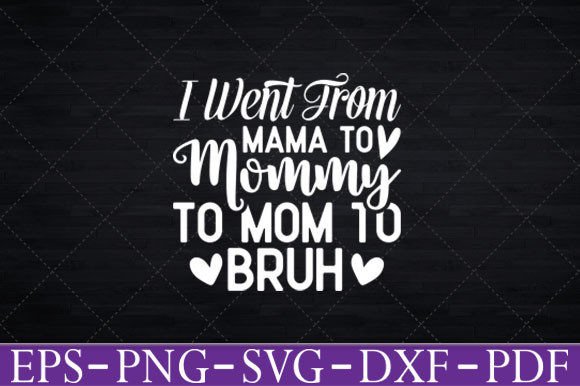
As a designer who stitches for clients and my own shop, I’m always looking for designs that carry a story. The “Tie Dye I Went from Mama to Mommy to Mom” design is one that caught my eye immediately, not just for its theme, but for its visual personality. Before I load any embroidery file into my machine, I like to imagine how it will look on a finished product—will it feel heartfelt? Will the stitches hold their clarity? This design invites that kind of practical scrutiny.
A First Impression: Nostalgia with a Playful Edge
The mood here is instantly nostalgic and warm, yet the tie-dye background gives it a contemporary, playful edge. It’s not a stern, formal statement; it’s a celebration of the evolving relationship between a mother and her child. The layout, with its central text progression, feels balanced and naturally guides the eye. The level of detail in a tie-dye pattern can be tricky in embroidery—it needs to feel organic without becoming a muddy mess of stitches. This design’s vector nature suggests clean shapes, which is a promising start for translating into clean satin and fill stitches.
My mind went straight to a custom embroidered sweatshirt or a cozy blanket. It’s a design that belongs on something soft and personal, a product meant for hugging or wearing close. I could also see it working beautifully on a canvas tote bag for a mom, or as a decorative patch on a nursery pillow cover. The theme is so inherently gift-oriented that it naturally aligns with holiday gifts, wedding gifts for new mothers, or personalized products for a small boutique.
Where This Design Excels in Real Projects
Let’s talk about application. I envisioned a specific scenario: preparing a custom embroidered tote bag for a client’s Mother’s Day pop-up shop. The “Tie Dye I Went from Mama to Mommy to Mom” design would be the centerpiece. On a natural canvas bag, the contrast would be key. Using a bright, cheerful thread palette for the tie-dye elements against the earthy fabric could create a fantastic handmade presentation that feels both professional and deeply personal.
This embroidery file has strong potential across several real-life embroidery situations. For custom apparel like t-shirts and sweatshirts, it offers a conversation-starting graphic that’s more unique than standard script. For baby clothes or blankets, it becomes a keepsake item, though careful fabric choice is crucial here. As an embroidered patch, it could be applied to caps, aprons, or tea towels, making it versatile for a craft business offering multiple products. In digital product previews and printable mockups for an Etsy seller, the clear, thematic design helps with buyer engagement, allowing customers to easily visualize the finished product.
The emotional resonance of the text directly affects product value and giftability. A customer isn’t just buying a bag; they’re buying a sentiment. That builds customer trust and recognition for your brand if you’re a creative entrepreneur specializing in heartfelt goods. The design feels authentic, which enhances brand consistency for shops focused on family, motherhood, or personal milestones.
Considerations for Stitching Success
However, no design is universally perfect, and a thoughtful embroiderer knows where to proceed with caution. The tie-dye pattern, depending on its final stitch density, could become quite dense. On thin fabric or stretchy fabric, this might require excellent stabilizer and possibly a lighter fill stitch setting to prevent puckering. Small hoop sizes might struggle with the design’s overall scale if you’re aiming for a mini version on a cap or a small baby item.
Dark fabric backgrounds present a classic challenge: ensuring the lighter tie-dye elements pop. This would necessitate a thoughtful thread color selection, possibly using brighter or off-white tones to maintain contrast. The text, “Mama to Mommy to Mom,” involves relatively small lettering transitions. On textured fabrics like some blankets or on curved surfaces like caps, those tiny details need extra attention to ensure stitching clarity. Always test on scrap fabric first.
For products that need frequent washing, like kitchen towels or everyday sweatshirts, a denser design area might hold up better with tighter stitches, but it’s a balance. You want durability without compromising the fabric’s comfort or flexibility.
Practical Designer Notes Before You Hoop
Before committing this to a client project or your small shop merchandise, here’s my standard checklist. Test the design on scrap fabric that matches your final product material. Check thread color contrast not just on screen, but with actual threads against your background fabric. Review stitch density in your embroidery software—if the file allows for editing, you might adjust fill patterns for better performance on delicate materials.
Confirm your hoop size can accommodate the design without needing excessive scaling. Scaling down too much can compress those lovely tie-dye details. Inspect the small details in the lettering; run a test stitch to see if any junctions or corners need a slight manual tweak in your machine’s pathing. It’s also wise to test the design in black and white mockups to see how it reads without color, and compare it on light and dark fabric backgrounds digitally to plan your thread schemes.
Always use proper stabilizer for your chosen fabric; this design’s potential stitch areas demand good support. Crucially, check whether the design works for both personal and commercial projects according to its license. Since the product description mentions it’s for a website or t-shirt design, and is in the Graphics category, it’s clearly intended as a digital embroidery file or design asset. However, the specific licensing terms aren’t detailed here, so you must confirm licensing before selling finished items or digital products. This is non-negotiable for professional commercial embroidery and for protecting your craft business.
The Final Stitch: A Design with Heart and Potential
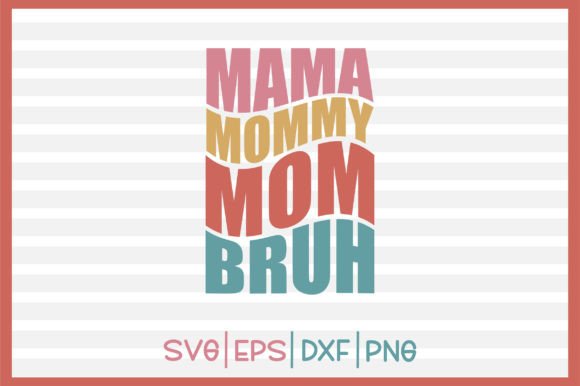
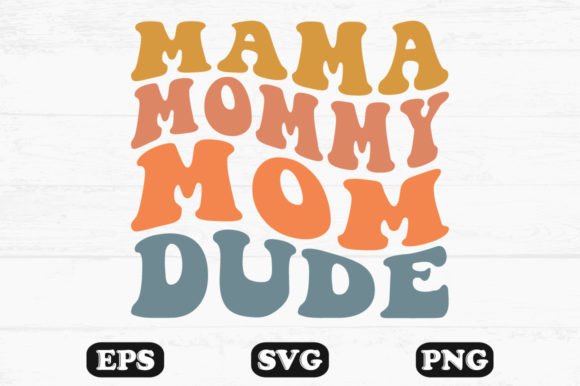
The “Tie Dye I Went from Mama to Mommy to Mom” design is more than just a Crafts graphic. It’s a narrative piece that, when embroidered well, can transform a simple item into a cherished handmade product. Its visual appeal hinges on executing that tie-dye texture with clarity, letting the sentimental text shine. For embroidery designers and makers, it offers a chance to create something that feels authentically connected to a life experience—a product that clients and customers will genuinely connect with. Approach it with practical preparation, choose your projects wisely, and it could become a standout piece in your repertoire for personalized gifts and small shop products.