A Practical Review of the Eat Sleep Mom Repeat Retro SVG
When a design file lands in my inbox for review, my first instinct is to picture it stitched out. Not as a perfect mockup on a screen, but as threads on fabric—on a real sweatshirt, a tote bag worn daily, or a baby blanket that gets loved hard. Today, I’m considering the Eat Sleep Mom Repeat Retro SVG. This isn’t about the digital file alone; it’s about imagining the finished product it will become.
The First Impression: Nostalgia with a Modern Twist
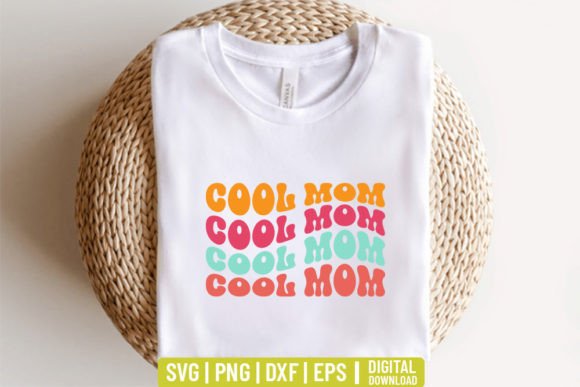
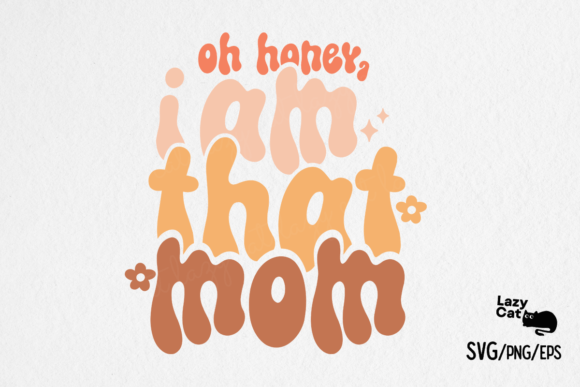
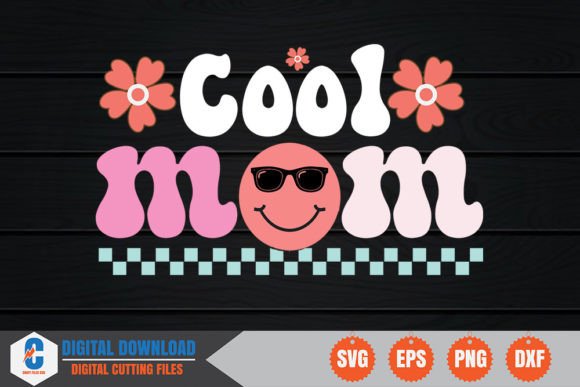
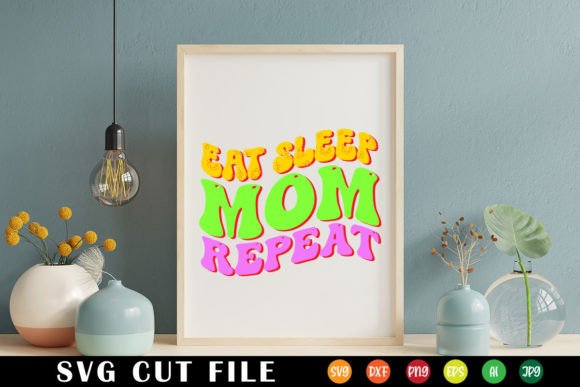
The phrase itself, “Eat Sleep Mom Repeat,” carries a certain universal, weary-happy truth. The retro styling elevates it from a simple statement to a visual mood. The layout feels celebratory, almost like a vintage badge or a classic patch. It doesn’t scream for attention; it invites a smile. This isn’t a hyper-detailed, intricate floral. It’s a personality piece. My mind immediately goes to custom apparel and personalized gifts—items meant to convey identity and warmth.
Where This Design Naturally Belongs
This is a design built for connection. It’s perfect for embroidery projects that speak to a shared experience. Think of a cozy, well-made sweatshirt for a mother. A sturdy canvas tote bag for daily errands. A decorative pillow cover in a nursery or a family room. It would shine as an embroidered patch on a backpack or a hat. For Etsy sellers and small shop owners, this design translates into products with high giftability—think holiday gifts, wedding gifts for new parents, or simple boutique merchandise that celebrates the motherhood journey.
The Real-Life Embroidery Scenario: A Custom Tote Bag
Let’s walk through a typical use. I’m picturing preparing a custom tote bag for a client. The fabric is a medium-weight canvas. The retro style of the design means clean lines and distinct lettering, which will translate well into satin stitch or a solid fill stitch for the main elements. The provided SVG file, being vector, allows for easy scaling. I’d likely size it to occupy a confident, but not overwhelming, space on the bag’s front panel. The mood is friendly and strong—not delicate. That tells me it’s meant for items that are used, seen, and enjoyed in everyday life.
Performance on Actual Products
For machine embroidery, the key will be clarity. On apparel like t-shirts and sweatshirts, using a good stabilizer is crucial to keep the stitch definition crisp, especially on stretchy fabrics. On baby clothes or blankets, I’d consider a softer backing to maintain fabric flexibility. The design’s charm would work beautifully on aprons, kitchen towels, and pillow covers—home goods that blend function with sentiment.
For commercial embroidery or producing multiple units for a craft business, the clean separation implied by “word by layer” files can be a practical advantage for color blocking or sequential stitching. It aids in creating consistent, professional-looking finished products across a batch.
Points for Careful Consideration
Like any design, its success depends on thoughtful application. On very small hoop sizes, the retro lettering details might become too dense, losing their open, friendly feel. Embroidering on dark fabric requires careful thread color choice to maintain the vintage brightness. On highly textured fabrics or curved surfaces like caps, testing first is essential to ensure the stitch lines remain legible.
Since the description notes the inclusion of an AI file, SVG, and PNG, these are excellent for versatility. The PNG is handy for printable mockups and digital product previews for online shops. However, for actual embroidery, the core evaluation rests on the SVG’s paths and how they convert to stitches. The description does not specify exact stitch density or counts, so that becomes a key step for the embroiderer.
How It Elevates a Final Product
From a business and customer perspective, a well-executed embroidery of this design adds tangible value. It feels handmade but professional. It builds customer trust because the final product looks intentional and well-crafted. For a creative entrepreneur, it supports brand consistency if your shop curates nostalgic or heartfelt themes. It’s instantly recognizable and engaging, which is perfect for craft fair products or online listings where visual appeal drives the click.
Practical Notes for the Working Designer
Before committing this to a client’s garment or a batch of stock, here’s my checklist:
- Test on scrap fabric first. Use the same material and weight as the final project.
- Check thread color contrast against both light and dark background mockups.
- Review the stitch file output for any overly dense areas or tiny details in corners that might need adjustment.
- Confirm the hoop size you plan to use can accommodate the design at your desired scale without compromising clarity.
- Use the appropriate stabilizer for the fabric type—this is non-negotiable for clean results.
- If using for commercial projects or selling finished items, verify the licensing terms of the digital file. The description states it’s a digital download, but the specifics of personal vs. commercial use should be clear before sale.
This retro SVG isn’t just a graphic; it’s a potential centerpiece for a product that tells a story. Its strength lies in its emotional resonance and straightforward, stylish execution. In the hands of a mindful maker, it becomes more than threads—it becomes a keepsake, a statement, or a bestselling item in a handmade shop. That’s the real measure of a good embroidery design.