Decoding the Cool Mom Retro Groovy SVG for Embroidery
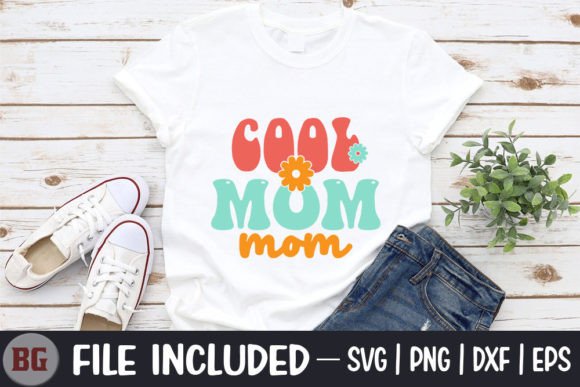
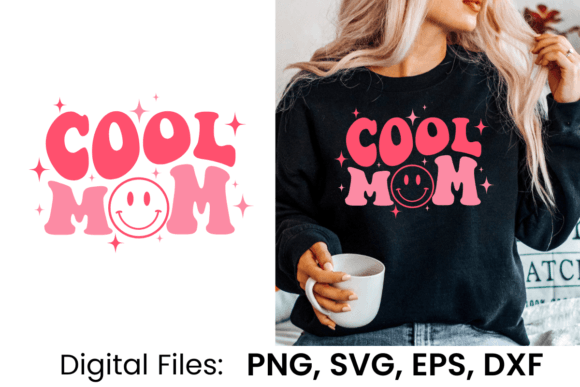
When a design file lands in my inbox for review, my first question isn't about the formats or the resolution. It's this: how will it feel when it’s stitched out? Looking at the Cool Mom Retro Groovy SVG, the immediate impression is pure, sunny nostalgia. The layout isn’t just a static graphic; it’s a mood. This design belongs to a specific, joyful personality—the kind of visual that makes you smile before you even load it into your machine.
The Right Project Finds Its Design
This isn’t a generic graphic. Its personality is strong, and that dictates its natural home. I immediately pictured it on a relaxed, oversized sweatshirt, a canvas tote bag for a park day, or a cozy pillow cover in a sunny living room. The retro, groovy vibe has a warm, approachable energy that translates perfectly into handmade products meant for comfort and personal expression. It would be a standout as a custom embroidered patch on a denim jacket or as the focal point on a kitchen apron. For a small shop product, say in a boutique selling personalized gifts, this design on a high-quality tea towel or a baby’s organic cotton blanket instantly elevates the item from simple to sentimental.
Where the Stitches Will Sing, and Where They Might Struggle
In real-life embroidery project situations, this design’s charm depends on thoughtful execution. On stable, medium-weight fabrics like cotton twill for tote bags or quilting cotton for pillow covers, the shapes should stitch out with clean, crisp edges. The likely use of satin stitch for bold outlines and fill stitch for larger areas means it will have a satisfying tactile presence. However, the retro typography and any intricate decorative accents within the design require careful attention.
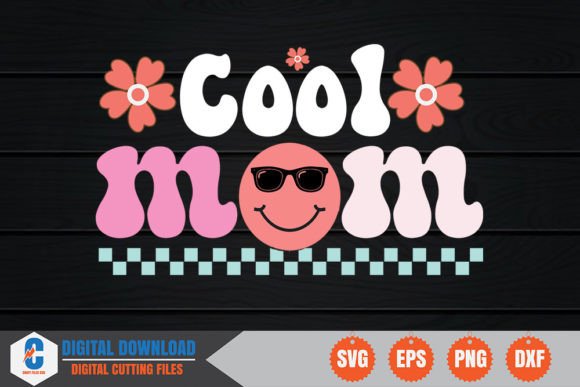
On stretchy fabrics like t-shirts or thin, textured fabrics like some linens, you’ll need excellent stabilizer and a mindful approach to stitch density to prevent puckering, especially in any densely filled areas. Embroidering on curved surfaces like caps could be tricky if the design has wide, horizontal elements; the curvature might distort the groovy flow. Working on dark fabric backgrounds demands a strategic thread color contrast plan—bright, retro hues against dark navy or black can look spectacular, but you must test to ensure the lighter colors pop without needing an excessive number of stitches.
Beyond the Hoop: How This Design Builds Value
The true test of a design file isn't just in the machine, but in the hands of the customer. The Cool Mom Retro Groovy SVG, when embroidered well, carries a powerful sense of recognition. It taps into a shared, happy aesthetic. For a creative entrepreneur, this means a finished product that feels both current and timeless, increasing its giftability and appeal in Etsy listings or at craft fairs. A well-executed embroidery of this design on a sweatshirt conveys a handmade presentation that feels professional and intentional, building customer trust. It shows that the maker understood the design’s spirit and translated it carefully into a physical object.
For apparel decorators or digital product sellers using it in printable mockups, its strong, clear shapes make it an excellent design asset for previews. The visual clarity suggests quality, which engages potential buyers. If your craft business has a brand leaning towards fun, warmth, and retro charm, consistently using designs with this cohesive personality strengthens your entire shop’s vibe.
A Designer’s Practical Checklist Before Stitching
Before I’d ever run this for a client or my own shop, here’s my mental walkthrough. First, I always test the design on scrap fabric—the same fabric I intend to use for the final product. This reveals everything: how small details like tiny lettering or decorative corners behave, whether the stitch density is appropriate for the material, and how the overall size feels in relation to the item.
- Check the hoop size required. While the provided file formats like SVG and PNG are excellent for scaling, the final embroidery file you generate must be sized appropriately for your machine’s capabilities and the physical space on your product.
- Run simple black and white mockups on your software. This helps isolate the shapes and layout from the color, ensuring the design’s structure is sound.
- Compare how it looks simulated on both a light and a dark background. This informs your thread palette.
- Crucially, confirm licensing before selling finished items. The product listing specifies what you get: SVG, PNG, EPS, DXF. This is typical for digital embroidery file assets used to create machine embroidery designs. However, you must verify the license terms for commercial use if you plan to sell the embroidered products or incorporate the design into your own digital products. Don’t assume; check.
Embroidery as Translation, Not Just Reproduction
The journey of a design like the Cool Mom Retro Groovy SVG from a digital graphic to a threaded masterpiece is about translation. You’re translating a mood, a memory, and a style into stitches. Its success in commercial embroidery projects, baby embroidery on a special blanket, or holiday embroidery on a gift apron depends on respecting both its digital origins and its physical future. Use it where its joy can be fully expressed—on stable, appreciative fabrics. Be meticulous with its details. And always stitch with the end user in mind: will this feel as cool and groovy to them as it looks on my screen? When the answer is yes, that’s when a design file truly proves its worth.