Greatest Mom by Par: An Embroidery Designer's Review
A First Impression of Quiet Gratitude
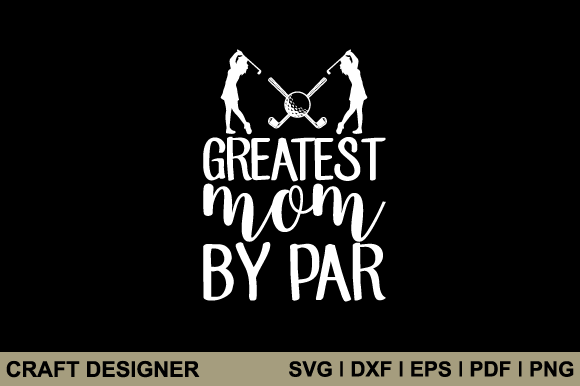
Opening the Greatest Mom by Par Svg Printable File, my initial reaction is a warm, familiar one. The design isn’t loud or overly ornate; it speaks with a gentle, classic voice. The layout feels balanced and thoughtful, evoking a mood of quiet gratitude rather than flashy celebration. This visual personality makes it an inherently versatile choice—it belongs to projects meant to feel heartfelt, not just decorative. For an experienced designer, this tells me it’s a design that will stitch out as a sincere accent, perfect for personalized gifts and everyday cherished items rather than just seasonal novelties.
The Natural Habitat: Where This Design Thrives
In real-life embroidery situations, the Greatest Mom by Par design finds its best home on items meant for close, personal use. Imagine a custom embroidered tote bag for a mother’s daily errands, a soft sweatshirt for a cozy weekend, or a delicate baby blanket edge. It would shine on a kitchen towel or apron, making a routine household item feel special. As a small business owner, I see it working beautifully for boutique nursery decor, simple pillow covers, or as a central motif on a heartfelt holiday gift like a handkerchief or tea towel set.
For commercial embroidery projects, this file is a reliable asset. An Etsy seller could confidently offer it on a range of personalized products, from embroidered patches to caps, knowing the sentiment aligns perfectly with customer searches for meaningful handmade gifts. The provided formats—SVG, DXF, EPS, PDF, PNG—are a practical suite for creating printable mockups, digital product previews, and ensuring clean transfers to various embroidery machines or cutting systems, which is crucial for craft business efficiency.
Visual Appeal and Stitching Clarity in Practice
When considering how this design will look after stitching, its strength lies in clarity and legibility. On a finished product, a clean satin stitch for the lettering and well-defined fill stitches for any decorative elements would translate the digital file’s intention into a tactile, professional-looking result. This directly boosts product value and customer trust. A handmade presentation feels deliberate and skilled, not haphazard. For brand consistency, a maker focusing on family-centric or gratitude-themed products could use this design repeatedly, building recognizable and engaging merchandise for their small shop.
Caution and Consideration: Where to Use Carefully
While versatile, any design requires thoughtful application. With the Greatest Mom by Par file, I’d advise careful use on very small hoop sizes where intricate details might become too dense. Textured or highly stretchy fabrics could challenge the clarity of the design’s shapes, requiring excellent stabilizer choice and possibly a test run on scrap fabric. Dark fabric backgrounds demand a deliberate thread color contrast plan—it’s worth testing the design in a black and white mockup first to ensure the silhouette holds its appeal.
Applying it to curved surfaces like caps or on thin fabric for baby clothes requires attention to stitch density to avoid puckering. Similarly, if the design contains any tiny lettering or highly detailed corners, a review on your specific machine and hoop setup is non-negotiable before committing to a client project or a batch of craft fair products. These practical checks safeguard the final product’s professionalism and durability, especially for items like apparel that need frequent washing.
A Real Scenario: The Custom Embroidered Tote
Let’s walk through a real case. I’m preparing a custom embroidered tote bag as a Mother’s Day gift from a client. I load the Greatest Mom by Par design. My first step is always a test stitch on a scrap of the tote’s canvas fabric. I check the thread colors against the fabric, review how the stitch density lays, and confirm the hoop size accommodates the design without cramping. I inspect any small details to ensure they’ll survive daily use. This design, with its balanced layout, would likely stitch out cleanly, creating a gift that feels both handmade and high-quality. The client’s reaction would hinge on that execution—the design’s inherent warmth, combined with precise embroidery, makes for a deeply engaging finished product.
Practical Notes for the Working Designer
Beyond the aesthetic, here are the grounded notes I’d keep on my workbench for this file. Always, always test on scrap first. Compare how it looks on light and dark fabric backgrounds in your software; sometimes a design’s personality changes dramatically. Use proper stabilizer for the final fabric—this is non-optional for professional results.
Crucially, before selling finished items or incorporating this into commercial embroidery projects, you must confirm the licensing terms of the file. The product description states it is a digital embroidery file, but the specifics of personal versus commercial use are not provided here. It is your responsibility as a creative entrepreneur or digital product seller to verify this before any commercial application. Do not assume.
The design’s giftability is high, but its success depends on your craftsmanship. Pair it with quality materials and precise execution to elevate it from a simple graphic to a cherished craft business item.
Final Judgment: A Reliable, Heartfelt Asset
In summary, the Greatest Mom by Par Svg Printable File strikes me as a reliable, heartfelt asset for a wide audience of makers. For embroidery designers and apparel decorators, it’s a straightforward design that translates well into stitched reality. For hobbyists and crafters, it’s an accessible starting point for beautiful personalized gifts. For Etsy sellers and handmade shop owners, it’s a versatile graphic that can anchor a line of products centered around family and appreciation.
Its value isn’t in complex novelty, but in its genuine, adaptable nature. It won’t solve every project need, but for the occasions and products where a message of quiet gratitude is the goal, it performs with clarity and warmth. Approach it with the practical respect any design deserves—test it, know its limits on different fabrics and surfaces, and confirm its license—and it will become a trustworthy part of your embroidery project toolkit.