The Mom Split Monogram: A Designer’s Honest Review
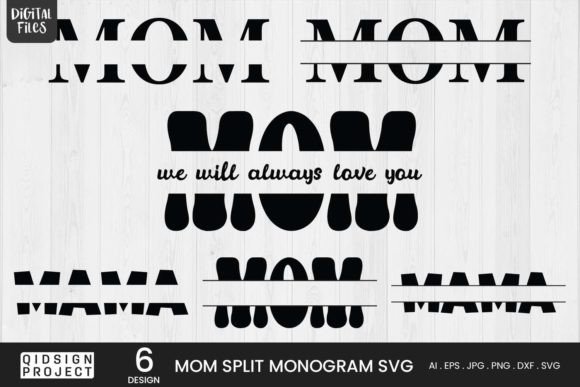
Let’s talk about the Mom Split Monogram SVG with its six variations. If you’re like me—someone who creates embroidered goods for clients, runs a small craft business, or simply loves making thoughtful handmade gifts—you know that choosing the right design is half the battle. The other half is understanding how it will translate from a digital file to a stitched, tangible product. This isn’t just a graphic; it’s a potential centerpiece for a customer’s cherished item. I’m reviewing this from the perspective of someone who needs designs to perform in real-life embroidery situations, not just look good on a screen.
The First Impression: Warmth and Versatility
The split monogram layout for “Mom” immediately creates a feeling of warmth and recognition. It’s familiar yet stylized, which is a great starting point for a personalized embroidery design. The six variations offered mean you aren’t stuck with one look. This flexibility is crucial when you’re working across different projects—a minimalist version might suit a sleek tea towel, while a more decorative variation could shine on a baby blanket. The visual personality leans toward classic and heartfelt, which tells me this design belongs to projects meant to convey affection and personal connection.
Where This Design Thrives in Embroidery
I’m picturing a custom embroidered tote bag for a Mother’s Day gift. The split monogram sits centrally, stitched with a rich satin stitch for the letters and perhaps a fill stitch for any accompanying decorative elements in the variations. It would look equally elegant on the corner of a linen pillow cover or as a subtle, beautiful accent on a cotton apron. For small business owners and Etsy sellers, this design could anchor a whole line of “Mom” themed merchandise: sweatshirts, kitchen towels, or even delicate patches for caps.
The scalability of an SVG file is a major advantage here. You can adjust it for a larger hoop size for a statement piece on a sweatshirt or shrink it down for a delicate placement on a baby’s romper without losing clarity. In commercial embroidery projects or for boutique branding on staff aprons, this consistent, clean design reinforces professionalism and brand consistency. For holiday gifts or wedding gifts for mothers, the emotional resonance of the word combined with a polished embroidered finish significantly boosts the product’s giftability and perceived value.
Practical Performance on Real Fabrics
Now, let’s get practical. How will this design perform once we run the machine? On standard cotton, canvas for tote bags, or mid-weight knit for sweatshirts, I expect it to stitch out cleanly, provided the file’s stitch density is well-optimized. The split lettering should maintain good definition. However, the true test is always in the details. On textured fabrics like some linens, or on stretchy fabrics, you’ll need to be diligent with your stabilizer choice to prevent distortion, especially on any thin connecting lines within the design.
Dark fabric backgrounds are a classic consideration. A high-contrast thread color choice is essential here to keep the design sharp and legible. For curved surfaces like caps, you’ll want to select a variation with less intricate corner details to ensure smooth stitching on that challenging surface. This is where having six variations truly pays off—you can pick the one best suited for the specific fabric and product type.
Caution Areas for the Best Results
Not every design is perfect for every scenario. For very small hoop sizes, say on a tiny patch or the collar of a child’s shirt, some of the more detailed variations might lose their integrity. Tiny lettering can become a blur if the stitch count isn’t adjusted appropriately. Similarly, on very thin fabric intended for delicate apparel, a dense stitch area could cause puckering or show through on the reverse side.
Products that need frequent washing, like kitchen towels or everyday caps, require a robust stitch construction. Before committing to a final product, testing the chosen variation on a scrap of the intended fabric is non-negotiable. This test will reveal how the small details hold up and whether the stitch density feels right, ensuring the finished product maintains its appeal and durability for the customer.
From Digital File to Customer Trust
Using a design like the Mom Split Monogram SVG affects more than just the stitch clarity; it impacts customer trust and engagement. A well-executed embroidery job with a clear, attractive design makes a handmade product feel professional and deliberate. For a creative entrepreneur selling digital embroidery files or printable mockups, providing a design that is versatile and tested across applications (like this one with its variations) builds credibility. Buyers looking for a design for their own craft business or for a personalized gift are seeking reliability. This design, by offering multiple looks, suggests thoughtfulness and utility, which enhances buyer engagement with your listing or product.
The Designer’s Essential Checklist Before Stitching
Before you load this file and start production, here are my practical notes from the embroidery designer’s bench:
- Always test on scrap fabric first. This is your safety net for thread color contrast and stitch behavior.
- Review the design in black and white mockups to judge its form independently of color.
- Compare how your chosen variation looks against both light and dark fabric backgrounds in your software preview.
- Confirm your hoop size can accommodate the design scale you desire with clean results.
- Inspect the small details in the file preview—are there any corners or lines that might be too fine for your intended fabric texture?
- Use the proper stabilizer for your specific project fabric; don’t default to a generic choice.
- Most importantly, check the licensing terms provided with the file. Understand clearly whether it’s suitable for personal projects, commercial embroidery, or for selling finished products. This is critical for Etsy sellers, digital product sellers, and anyone running a craft business.
The product description mentions receiving an AI file, which is excellent for scalability. As an embroidery designer, you’ll typically convert this to your machine’s required format. Remember, the provided file formats are the starting point; your embroidery machine software will do the heavy lifting of creating the stitch path.
Final Thoughts: A Solid Choice for Heartfelt Projects
The Mom Split Monogram SVG with 6 Variations presents itself as a versatile, emotionally resonant graphics asset. From my point of view as someone who translates designs into stitches daily, its strength lies in its variety and classic theme. It’s a design that can elevate a simple tote bag into a cherished gift and add a professional, personal touch to small shop merchandise. Approach it with a practical mindset: test it, match the variation to your product, and respect the licensing. When used thoughtfully, it’s a design that will stitch out beautifully, satisfy customers, and become a reliable part of your embroidery design toolkit for those projects that need to feel specially made.